

Gion is the largest and best-known geisha district in Japan. Its wooden townhouses, lantern-lit lanes and teahouses have hosted Kyoto’s traditional entertainers for more than three centuries, and it remains a working community rather than a museum piece. A little local knowledge turns a crowded walk into one of the most memorable evenings in Kyoto, which is why our private Kyoto tours include Gion with guides who know it well.
A Short History of Gion
Gion grew up in the Edo period around Yasaka Shrine. Teahouses opened to serve visiting pilgrims and soon added music, dance and conversation to the tea. Today it is the largest of Kyoto’s five kagai, or geisha districts.
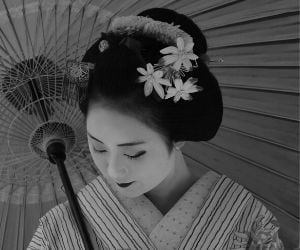
Geiko and Maiko
In Kyoto, geisha are called geiko. A maiko is an apprentice who trains for around five years in dance, music and etiquette. Maiko wear colourful kimono with long trailing obi and elaborate hair ornaments, while geiko dress more simply. Both entertain at ochaya (teahouses), most of which still accept guests by introduction only.
What to See in Gion
- Hanamikoji Street: the heart of Gion, lined with machiya townhouses that house exclusive restaurants and teahouses. The main street is public; the narrow lanes off it are private.
- Shirakawa Canal and Tatsumi Bridge: a quieter, willow-lined stretch in the north of Gion, with canalside restaurants and some of Kyoto’s best cherry blossom views.
- Yasaka Shrine: the shrine Gion grew up around, home to the Gion Matsuri every July and at its best when the lanterns are lit.
- Kennin-ji Temple: Kyoto’s oldest Zen temple, founded in 1202, known for its raked gravel gardens and twin-dragon ceiling painting.
- Gion Kagai Art Museum: opened in May 2024, with kimono, hair ornament and make-up displays that explain the world of the geiko and maiko.
Seeing Geiko and Maiko Respectfully
Your best chance of seeing geiko and maiko is in the early evening, roughly 5:30 to 7pm, as they travel between appointments. They are professionals on their way to work, and the community has set clear rules to protect them.
- Since April 2024, the private side streets off Hanamikoji have been closed to tourists, with a ¥10,000 fine for entering or taking photos there. Hanamikoji itself remains open.
- Never stop, follow or touch a geiko or maiko, and ask before photographing anyone.
- Keep voices down in the evening and take litter with you.
A private guide makes this simple, keeping you on the right streets and showing you the quieter routes most visitors miss. To spend real time with a geisha, our Private Geisha Evening in Kanazawa offers music, dance, traditional games and conversation with a working geisha in a Nishi Chaya teahouse, something very hard to arrange in Kyoto.
When to Visit and Getting There
Early morning is best for quiet streets and photos; early evening for lanterns and the chance of seeing maiko. Spring brings cherry blossoms and the Miyako Odori, July the Gion Matsuri, and autumn mild weather and temple colours. Winter is the quietest season.
Gion-Shijo Station on the Keihan Line is at the edge of the district, and Kyoto-Kawaramachi on the Hankyu Line is a five-minute walk away. City Buses 100 and 206 run from Kyoto Station to the Gion stop in about 20 minutes.
Explore Gion with a Private Guide
Gion is easy to walk through and hard to understand on your own. All of our Kyoto tours are private, so the pace and route are set around you. See our private Kyoto Tours below.

Kyoto Full Day Private Tour
A full day tour will allow you to deeply explore Kyoto, with your own private guide.

Kyoto Half Day Private Tour
We only offer high quality tour guides for our Kyoto tours to ensure a superior experience.

Kyoto Private Car Tour
Make the most of your time in Kyoto. Our Professional driver/guides will take you from place to place at your will.