

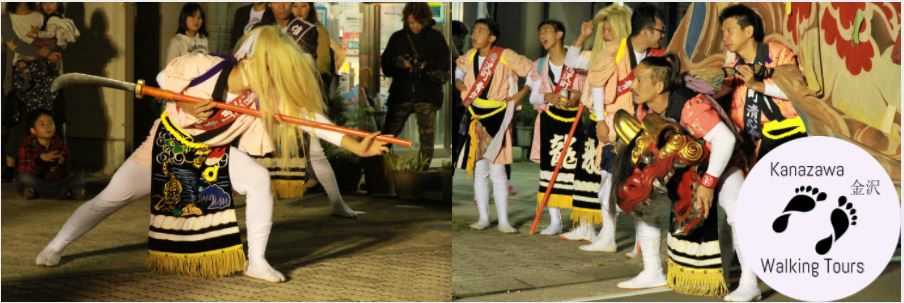
As autumn settles in and the evenings turn crisp, the back streets come alive with the shrill call of bamboo flutes, the percussive twang of shamisens, and the excited shouts of children practicing their roles—stick-wielding, lion‑fighting, and full of bravado. Every night, towns hum with anticipation as communities rehearse for an event that has been part of local life for nearly 800 years.
A Festival Rooted in Japan’s Harvest Traditions
Across Japan, autumn festivals—aki matsuri—have long marked the end of the agricultural cycle. Historically, these celebrations were a way to thank the deities for a successful harvest and to pray for prosperity in the year ahead.
In the foothills of Ishikawa Prefecture, the town of Tsurugi spends weeks preparing for one of Japan’s most spirited and enduring celebrations. Tsurugi’s festival carries all the hallmarks of this tradition: community pride, ritual performance, and a joyful release after months of hard work in the fields.
But Tsurugi adds its own unmistakable flair. The diaspora returns home, families reunite, and even the most dedicated workers take a rare day off to join the festivities. It’s a moment when the town’s past and present fold together, and everyone—locals, visitors, and returning relatives—becomes part of the same story.
Building Legends: The Floats
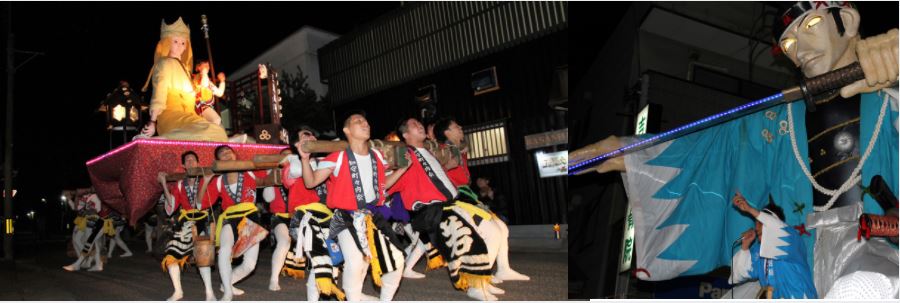
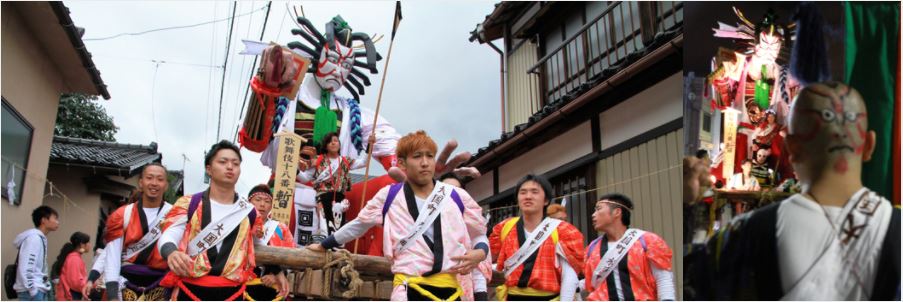
Each neighborhood is tasked with creating a float that tells an unforgettable tale. These towering structures, often inspired by folklore or mythology, rise 8–10 meters into the air. They are crafted with astonishing detail, sometimes featuring a live MC perched within the structure to shout encouragement to the carriers below.
Tradition dictates that the floats are carried on the shoulders of young men, though some communities now welcome women into the ranks. The physical effort is immense, but so is the pride. These floats are not simply decorations—they are embodiments of local identity, crafted to outshine the neighboring districts and to honor the spirits of the season.
A Town That Opens Its Doors
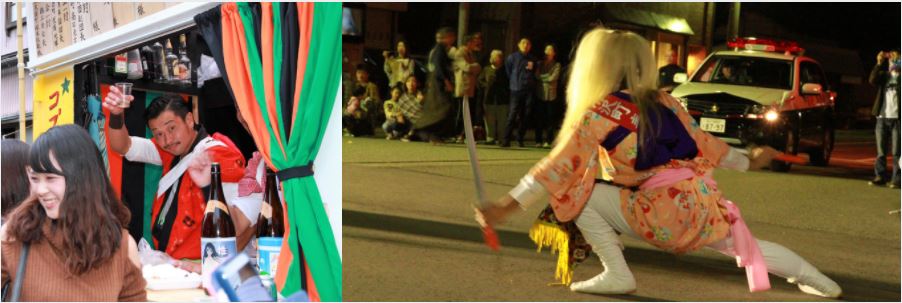
One of the festival’s most charming qualities is the openness of the community. Houses throw their doors wide, welcoming both old friends and curious newcomers. Sake carts roll through the streets offering warm drinks to ward off the autumn chill. The atmosphere is festive, generous, and wonderfully human.
As with many ancient harvest celebrations, there’s an undercurrent of fertility symbolism and playful mischief woven into the event. You’ll notice humorous, sometimes cheeky imagery scattered throughout the streets—reminders of the festival’s roots in agricultural life, where fertility, abundance, and the turning of the seasons were central concerns.
The Weekend Unfolds
Friday afternoon marks the official start. Each float begins its rounds, collecting offerings from supporting families. Donations—usually cash or sake—are received with a vigorous dance and a chant that feels almost primal in its rhythm and energy. It’s a ritual exchange that binds the community together.
Sunday evening brings the festival’s dramatic climax. The floats gather for a kind of standoff, each community showing off its creation with pride and competitive spirit. The air is electric, the crowds loud, and the carriers determined to prove their strength and unity.
By Monday, the mood shifts. After a weekend of celebration, a weary, emotional, and often hungover group of comrades must haul their float up a steep, winding hill to its final resting place. Once installed, it will remain on display for the year—retired from service but preserved as a testament to the community’s effort.
Floats can be seen all year round at Park Shishiku.
Tsurugi is accessible via the Ishikawa Line from Kanazawa making it an excellent day trip or weekend excursion. The festival takes place during the first week of October, when the weather is cool, the mountains are beginning to turn, and the town is at its most vibrant.
If you’re planning a visit or want help timing your trip, feel free to reach out. This is one of those rare events that stays with you long after the drums have quieted and the sake has run dry.
Special Thanks to:
Author: Mike Keenan
Photo Credits: Mike Keenan